

Egypt will seek to raise as much as $6 billion (around AED 22 billion) from international bond sales through 2017, though the first issuance may be delayed due to market “volatility” after the election of Donald Trump, Finance Minister Amr El-Garhy said. The government is still weighing whether to tap markets next week, El-Garhy said in a television interview in Cairo on Tuesday. Egyptian authorities are trying to reduce the government’s borrowing costs after abandoning currency controls this month. Foreign investors have cheered the currency float, which came before Egypt signed a $12 billion loan accord with the IMF, pouring funds into the country’s stock and bond markets. The most populous Arab country has struggled to revive its economy since the 2011 uprising that ended the three-decade autocratic rule of President Hosni Mubarak. El-Garhy said the government may sell between $5 billion and $6 billion in international bonds through 2017, depending on financing needs. The decision to float the currency was seen as crucial to ease a dollar shortage that had crippled business activity. Critics say the move will lead to an uncontrollable surge in inflation. El-Garhy said authorities seek to gradually lower the inflation rate to 10 per cent by mid-2017 from the current level of 13.6 per cent as investments start to flow and the budget deficit narrows. (Manus Cranny, Ahmed Feteha and Tarek El-Tablawy/Bloomberg)

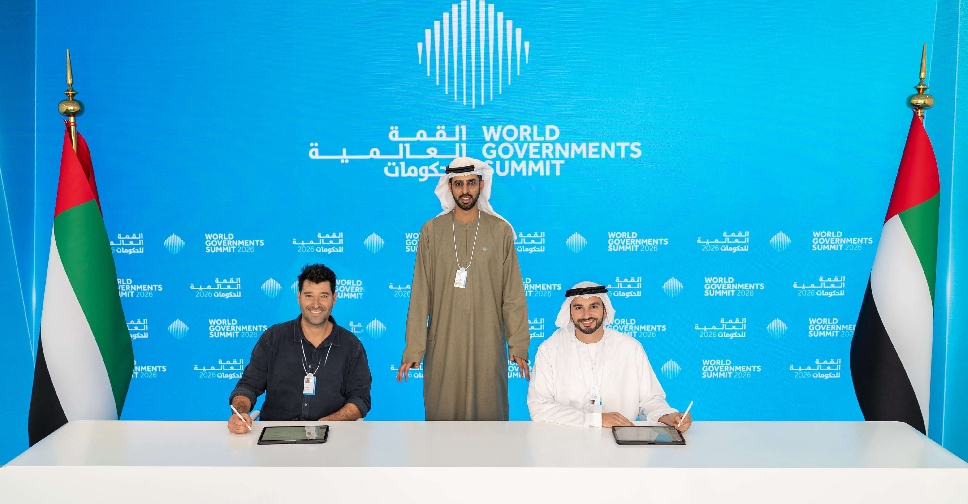 Dubai secures Canva regional headquarters in new tech partnership
 DIFC delivers record 2025 results
 Pakistan must create 30 million jobs over next decade, World Bank president says
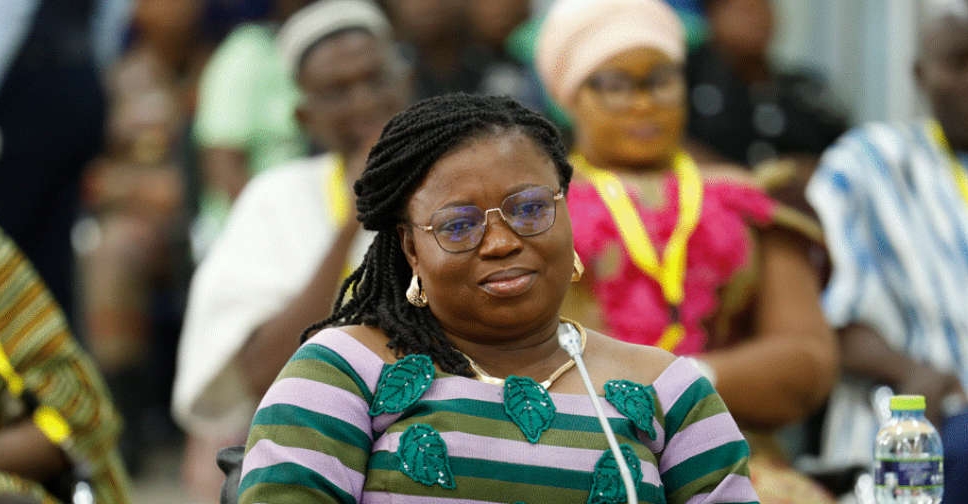 Ghana seeks to deepen strategic investment, innovation ties with UAE
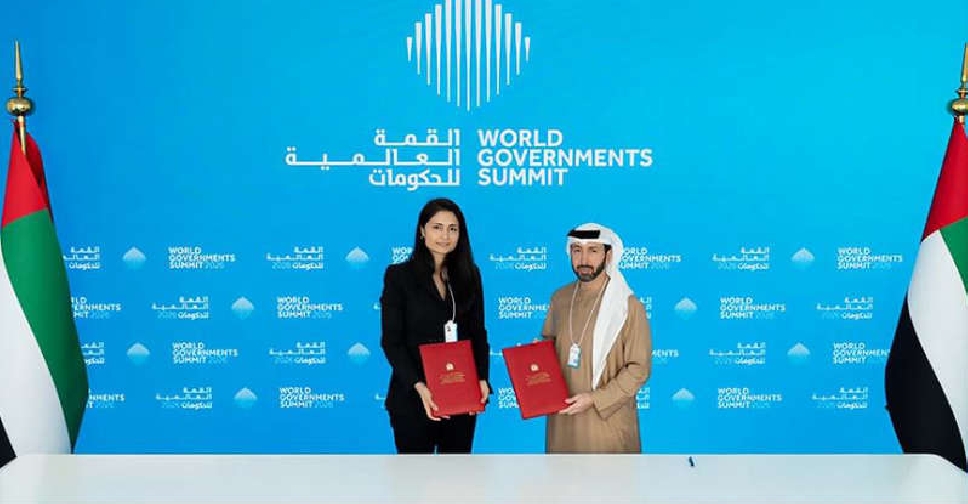 UAE partners with World Economic Forum to fast-track industrial transformation