

Organisation of Petroleum Exporting Countries (OPEC) and other oil producers agreed on a way to monitor their compliance with last month’s historic supply deal, putting global markets on track to re-balance after more than two years of oversupply. The countries have already cut oil supply by 1.5 million barrels a day, more than 80 per cent of their collective target, since the deal took effect on January 1, Saudi Arabia’s Minister of Energy and Industry Khalid Al-Falih told reporters in Vienna. “Compliance is great - it’s been really fantastic,” Al-Falih said Sunday. “Based on everything I know, I think it’s been one of the best agreements we’ve had for a long time.” Saudi Arabia, Kuwait, Qatar, Algeria and Venezuela met counterparts from non-OPEC nations Russia and Oman to find a way to verify that the 24 signatories to their December 10 accord are fulfilling pledges to remove a combined 1.8 million barrels a day from the market for six months. They intended to prove the OPEC is serious about eliminating a global glut and dispel scepticism stemming from previous unfulfilled promises. (Grant Smith, Angelina Rascouet and Anna Shiryaevskaya/Bloomberg)

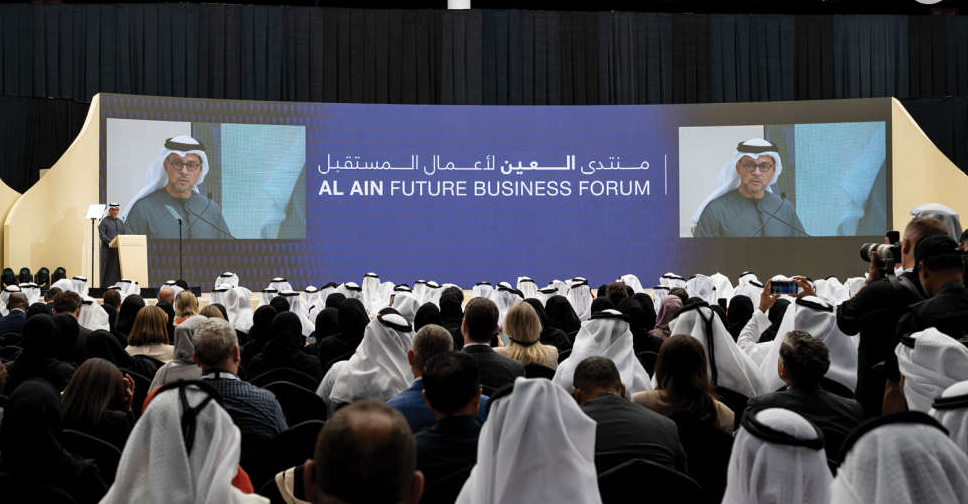 Eleven agreements signed at Al Ain Future Business Forum
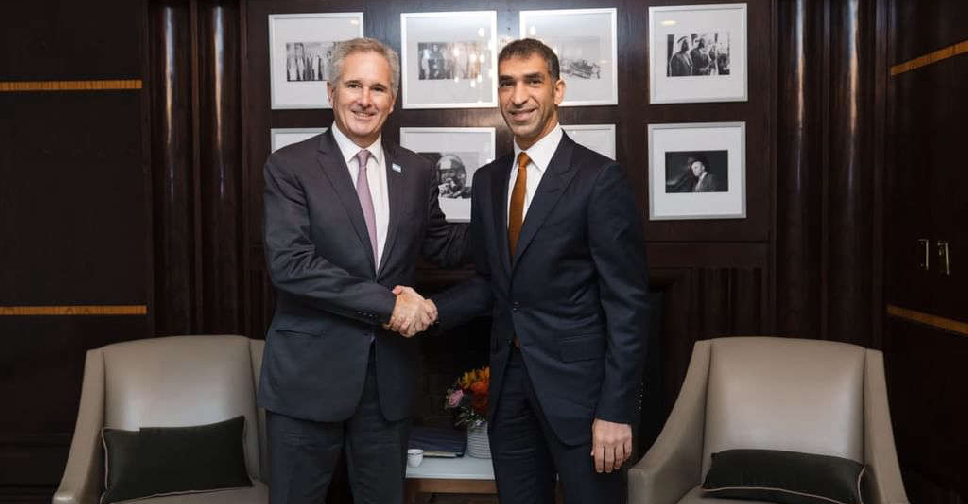 UAE, Argentina launch CEPA negotiations
 Meraas awards AED 1 billion contract for Nad Al Sheba Gardens expansion
 Meta launches AI gadget Charm as race for post-smartphone hardware heats up
 UAE Central Bank sanctions Bank Melli Iran over compliance breaches