

India started 2016 as the world’s fastest-growing major economy, but at its end the nation faces a significant slowdown and the delay of what’s been hailed as Prime Minister Narendra Modi’s greatest reform - the creation of an integrated marketplace. Much of the pain is self-inflicted as Modi’s decision in November to drain 86 per cent of currency in circulation stalled spending and caused a political stalemate on a landmark sales-tax reform. It’s an apt end to a busy year that’s included a change of guard at the central bank, the overhaul of a century-old bankruptcy law and the biggest battle to rock corporate India in decades. And it’s sown the seeds for a tumultuous 2017. “Reforms will have long-term structural benefits but carry short-term execution and adjustment risks,” said Abhishek Dangra, a credit analyst at S&P Global Ratings. A move away from cash and the introduction of a uniform goods and sales tax across the country next year will be beneficial in the medium-term as it will drive higher tax collections," he said. (Anirban Nag/Bloomberg)

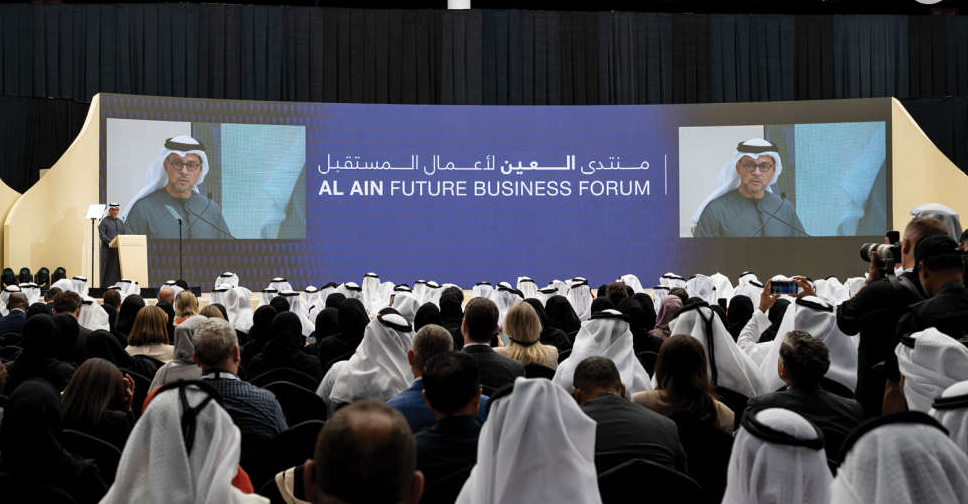 Eleven agreements signed at Al Ain Future Business Forum
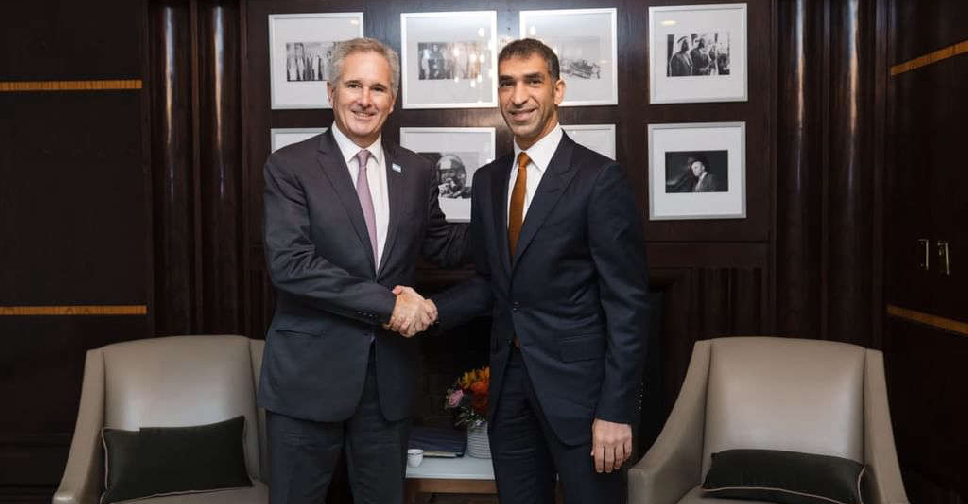 UAE, Argentina launch CEPA negotiations
 Meraas awards AED 1 billion contract for Nad Al Sheba Gardens expansion
 Meta launches AI gadget Charm as race for post-smartphone hardware heats up
 UAE Central Bank sanctions Bank Melli Iran over compliance breaches