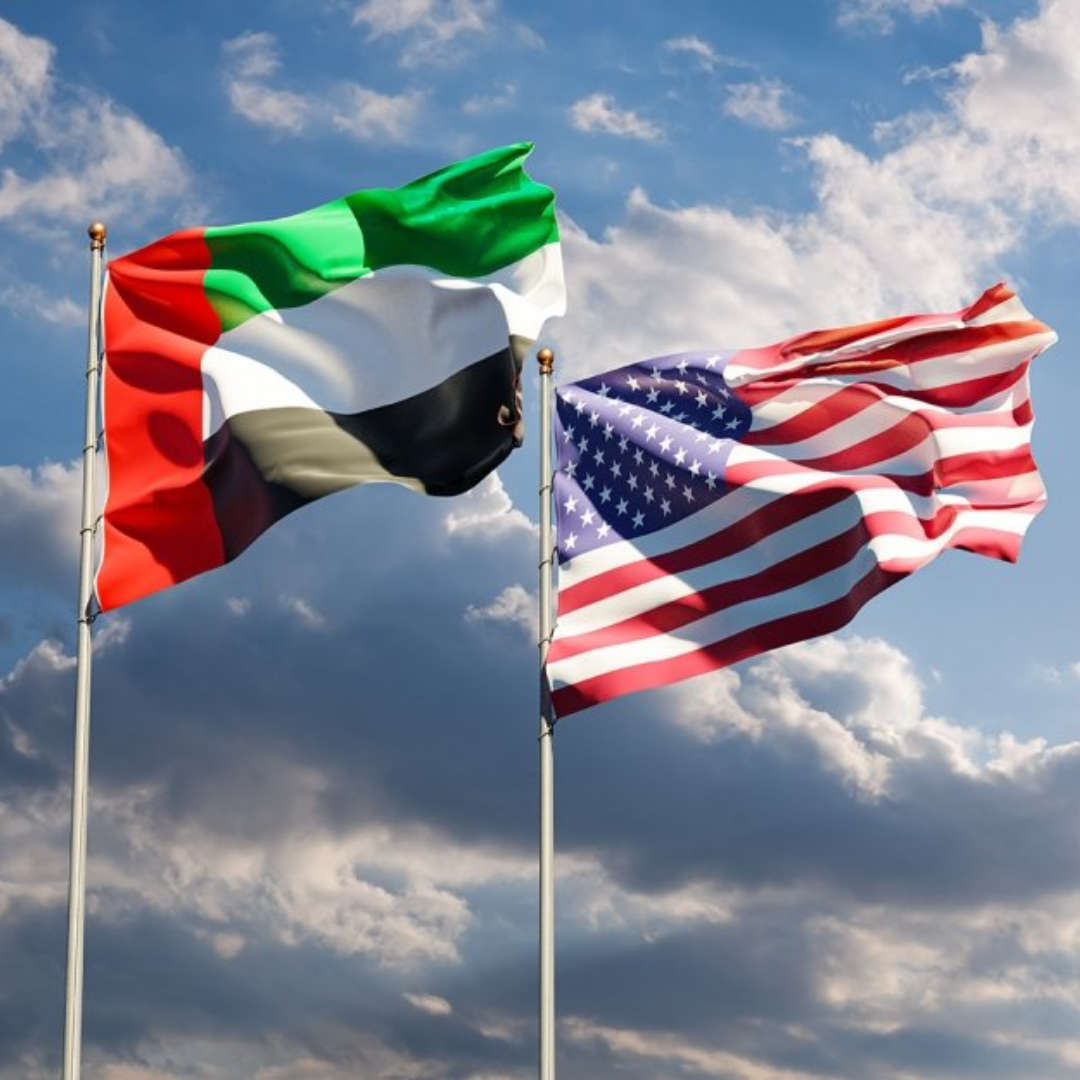


Argentina's rapidly growing pistachio heartland is striving to capitalise on its favourable climate to cash in on worldwide demand for the nut, which has been driven by the popularity of the crunchy Dubai chocolate.
The country's pistachio acreage has quintupled in the last five years to about 25,000 acres, according to the National Network to Study Pistachio Trees in Argentina, formed by scientists in 2023. Most of the trees are in San Juan, a mining and farming province nestled against the Andes mountain range.
Planters say there is room for much wider expansion. The network has identified 65,000 square km -- 16 million acres -- in the provinces of San Juan, Mendoza, San Luis and La Pampa with hospitable temperatures for pistachios, which take about seven years from planting to bear significant fruit and need arid, hot summers and chilly winters.
While the world's leading pistachio producers, the US, Iran and Turkey, far surpass Argentina, the South American country is the only significant grower on the continent and producers say it has the potential to become an important exporter, especially when the northern hemisphere is off-season.
“Without a doubt, Argentina can turn into a great producer,” said Alberto Aguilera, who manages the pistachio groves in San Juan province for SolFrut, which with nearly 3,000 acres will be among the largest producers once it begins to harvest in earnest in 2027. “You have land, water, and the climate conditions.”
Pistachio growers in Argentina mostly use rootstock seeds from California, which has about 500,000 pistachio-bearing acres. According to The Wonderful Company, which grows between 15 per cent and 20 per cent of the US crop, there is tight supply for pistachio kernels as an ingredient and snack.
“People can’t get enough of it,” said Stephen Vasquez, executive director of the Administrative Committee for Pistachios, which regulates the quality of almost all pistachios produced in the US.
That includes Argentines. With the increased popularity spurred by creamy pistachio-filled "Dubai chocolate," which went viral on TikTok in 2023, companies have branched out to produce pistachio dulce de leche and pistachio pastries. Even the country's oil and gas company, YPF, is marketing its own pistachio alfajor, a traditional Argentine cookie.
'THEY SAID I WAS CRAZY'
Marcelo Ighani, 74, an Iranian immigrant, told Reuters that people thought he was crazy when he began planting the country’s first pistachio crop in the 1980s in San Juan province. In November at his Pisté company’s plant nursery, six female workers listened to music while preparing pistachio rootstocks. Since 2023, Pisté has more than doubled the rootstock it produces annually – which it uses itself or sells to farmers – to 400,000 plants expected in 2025.
“We have a lot of unsatisfied demand that we can’t meet,” said Ighani’s son, Maximiliano, who helps run the business.
In a 2024 report on pistachios, Argentina’s Federal Council of Investments said the country exports a third to half of its pistachios. Most go to Italy, followed by Russia, Australia and other Latin American nations.
Producers told Reuters they expect exports to increase as more investors jump into the market, satisfying the internal demand, and more pistachio trees bear fruit. While there are no official estimates, industry leaders say only a small fraction of the country’s pistachio acres currently produce nuts.
SolFrut began planting pistachios in 2019 on land it had used for growing olives, and invests about $12,000 per acre, according to José Chediack, president of Grupo Phronesis, which includes SolFrut. While acknowledging that pistachio is enjoying "a very good moment," he is wary about how long the boom will last. He said the nut's potential could be boosted if improved macroeconomic conditions under President Javier Milei result in banks offering lower interest rates and more years to repay loans.
Faced with falling global wine consumption, some producers have replaced vineyards with pistachios and other nuts.
Foreseeing pistachio's potential even before the current boom, the province of Mendoza - famed for its Malbec grapes - put out a press release in 2020 that boasted of its growing pistachio acreage, called the nut “green gold” and included a recipe for pistachio-and-cheese empanadas.
Ramiro Martins, a third-generation wine producer in Mendoza, has planted about 250 acres of pistachio that he expects to start harvesting in 2026. He also converted his vineyards to grow almonds and walnuts.
“We understood that the market was moving towards more healthy trends,” he said. “We really have put a lot of hope and luck in this project.”
PISTACHIO FEVER
In San Juan province, which has a population of about 800,000, pistachio trees have the third highest acreage of any agricultural product, following vineyards and olive groves.
“Pistachio will have a very strong impact on the economy of San Juan,” said Miguel Moreno, the province’s agriculture secretary. “This sustained demand has surprised everyone and I think is an incentive for long-term investments.”
Pistachio fever is clearly visible here. At the Tres Cumbres alfajores factory, a worker spreads pistachio paste between two cookies. Nearby, the Habana artisanal ice cream store offers three themed flavors: classic pistachio, pistachio with white chocolate and Dubai chocolate pistachio – the last two added this year.
But when Graciela Gomez visited with her grandson recently, it had run out of plain pistachio. She stared in disbelief.
"There's no pistachio. How can that be?" she asked.

 Dancing robots bring support, company to Barcelona elderly
 Abandoned baby monkey finds comfort in stuffed orangutan, charming zoo visitors
 Doberman named Penny wins Westminster dog show
 Japan-born pandas Xiao Xiao and Lei Lei arrive home in China's Sichuan
 Accidental 'crying horse' toy wins hearts in China