
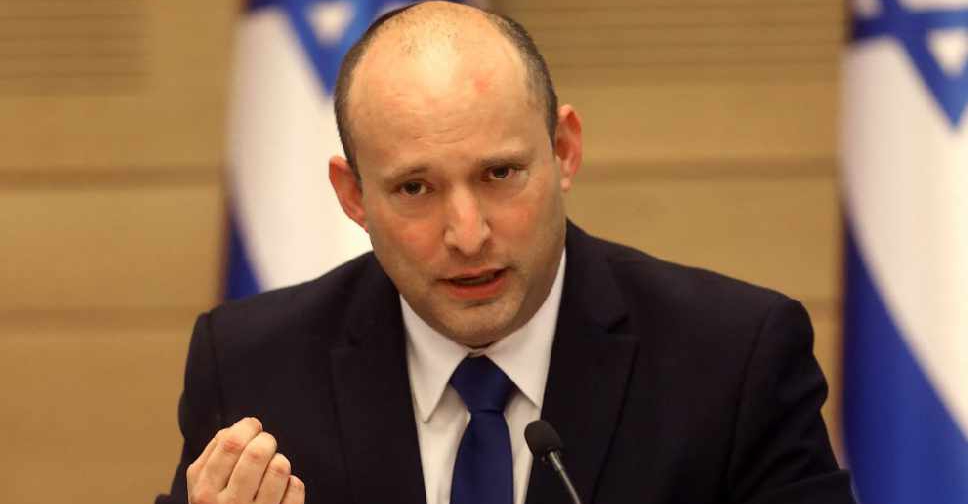
Benjamin Netanyahu's record 12-year run as Israel's prime minister ended on Sunday with parliament approving a new "government of change" led by nationalist Naftali Bennett.
But the razor-thin 60-59 vote of confidence in a coalition of left-wing, centrist, right-wing and Arab parties with little in common except a desire to unseat Netanyahu, only underscored its likely fragility.
In Tel Aviv, thousands turned out to welcome the result, after four inconclusive elections in two years.
But a combative Netanyahu, 71, said he would be back sooner than expected. "If we are destined to go into the opposition, we will do so with our heads held high until we can topple it," he told parliament before Bennett was sworn in.
The new government largely plans to avoid sweeping moves on hot-button international issues and to focus instead on domestic reforms.
Under the coalition deal, Bennett, a 49-year-old high-tech millionaire, will be replaced as prime minister in 2023 by centrist Yair Lapid, 57, a popular former television host.
With his far-right Yamina party winning only six of parliament's 120 seats in the last election, Bennett's ascension to the premiership was a political jaw-dropper.
Meanwhile, US President Joe Biden congratulated Bennett and Lapid, saying he looked forward to strengthening the "close and enduring" relationship between the two countries.
"My administration is fully committed to working with the new Israeli government to advance security, stability, and peace for Israelis, Palestinians, and people throughout the broader region," he said in a statement.


 Russia, Ukraine agree to Oleshky ceasefire brokered by Melania Trump
 Seven killed in attack at church funeral in Jordan
 Gunman fires from car near Paris, killing 1
 Injuries in Tibet rises to 76 after earthquake, death toll remains at 16
 Tunisian police clash with protesters in capital on day of heightened tensions