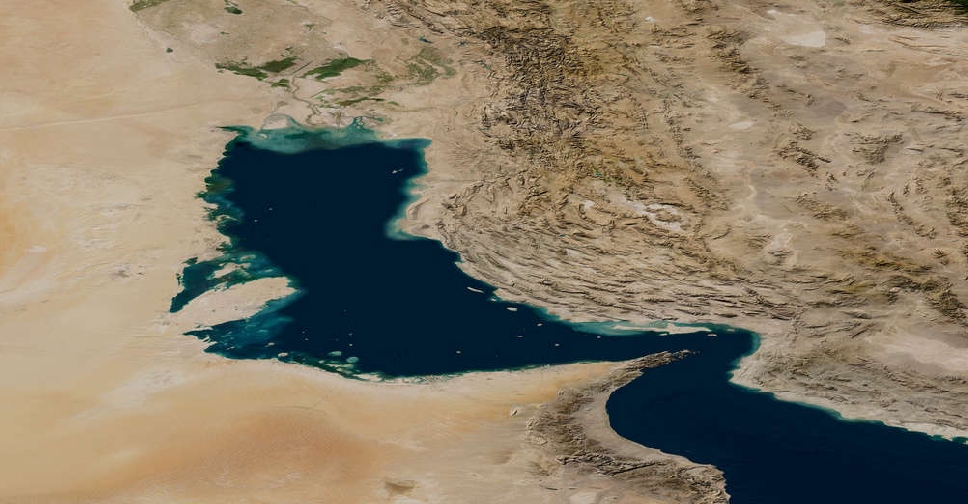
The Iranian military command said the Strait of Hormuz has returned to its previous state of 'strict management' due to the US’s continuing blockade of Iranian ports.
The spokesperson said Iran had earlier agreed, 'in good faith', to the managed passage of a limited number of oil tankers and commercial vessels following negotiations, but continued US actions had forced Tehran to restore tighter controls on shipping through the strategic chokepoint.
The war with Iran, which began on February 28 with a US-Israeli attack on the Islamic Republic, has killed thousands, spread to Israeli attacks in Lebanon, and sent oil prices surging because of the de facto closure of the strait.
Despite the initial movement of ships, prospects remained unclear on a resumption of high-level US-Iran talks or any agreement over Iran's nuclear ambitions, a key sticking point.
"It seems to be going very well in the Middle East with Iran," US President Donald Trump told reporters on Air Force One while returning to Washington from Phoenix, Arizona.
"We're negotiating over the weekend. I expect things to go well. Many of these things have been negotiated and agreed to.
"The main thing is that Iran will not have a nuclear weapon. You cannot let Iran have a nuclear weapon, and that supersedes everything else."
He later said the US was having "very good conversations" with Iran, but that Tehran wanted to close the Strait again. Iran could not blackmail the US, he said.
But in sharp contrast, Trump said he might end the ceasefire with Iran unless a long-term deal to end the war was agreed before it expires on Wednesday, adding that a US blockade of Iranian ports would continue.

 France boosts police presence, hoping to prevent repeat of riots
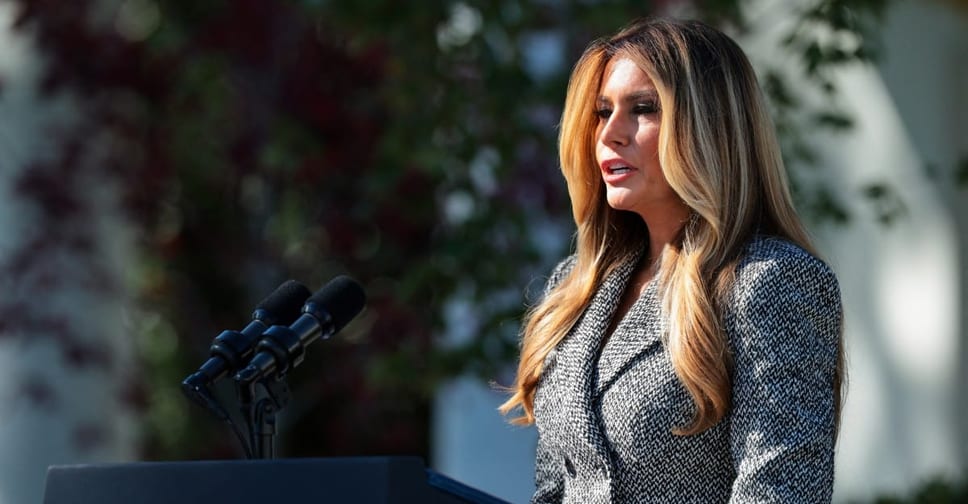 Russia, Ukraine agree to Oleshky ceasefire brokered by Melania Trump
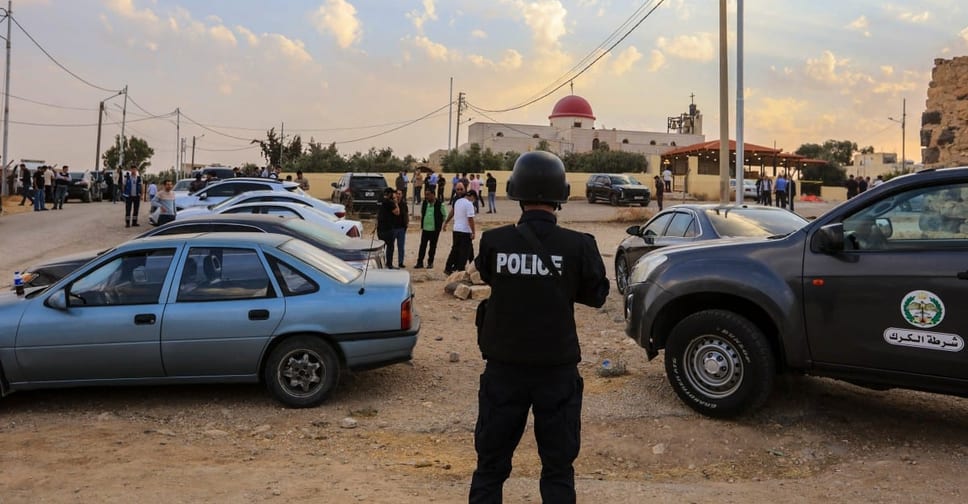 Seven killed in attack at church funeral in Jordan
 Gunman fires from car near Paris, killing 1
 Injuries in Tibet rises to 76 after earthquake, death toll remains at 16