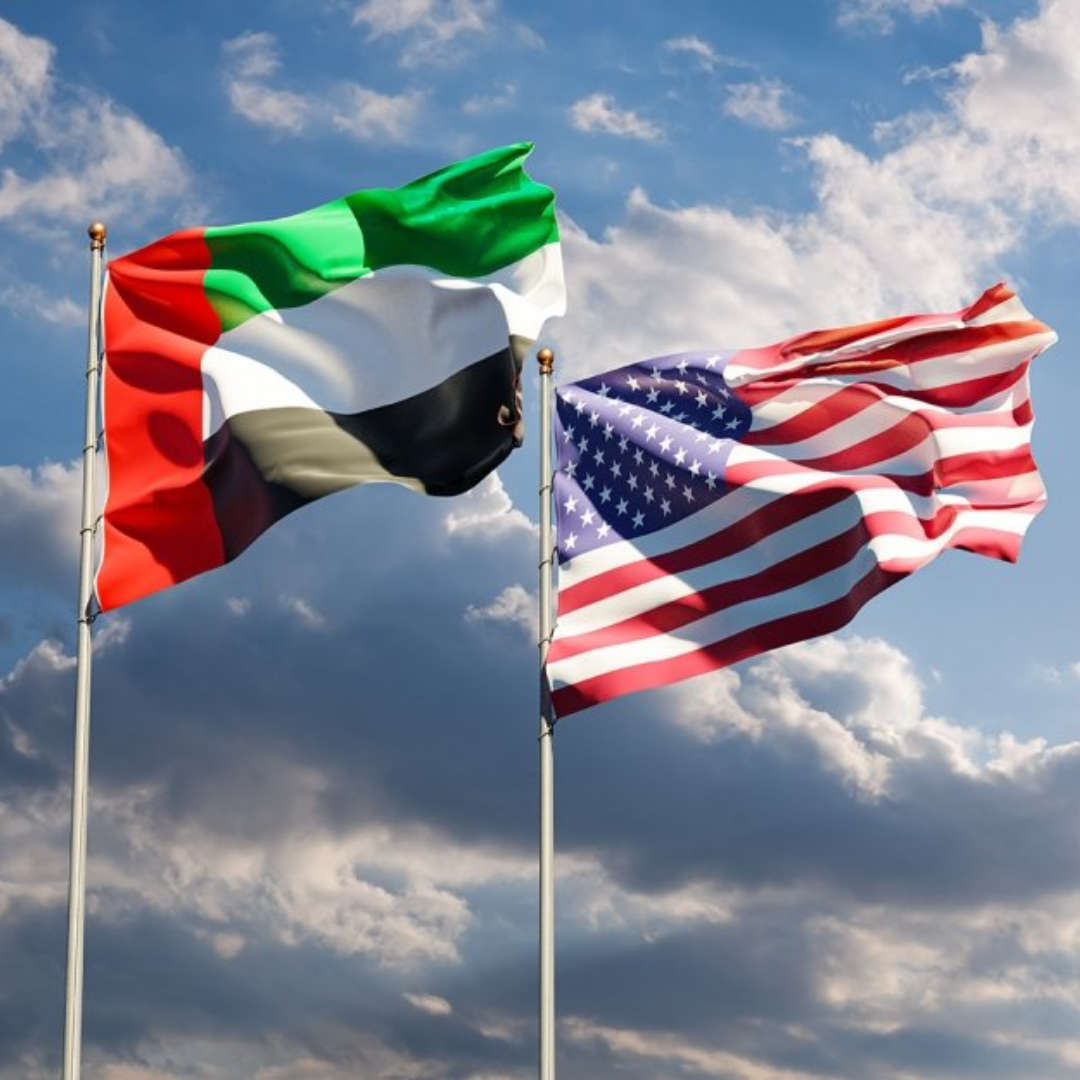
Russia said it would continue to find buyers for its oil, despite what it said was a "dangerous" attempt by Western governments to introduce a price cap on its oil exports.
A coalition of Western countries led by the G7 group of nations agreed on Friday to cap the price of Russian seaborne oil at $60 a barrel, as they aim to curb its ability to finance its conflict in Ukraine.
Russian President Vladimir Putin and high-ranking Kremlin officials have repeatedly said that they will not supply oil to countries that implement the price cap.
In comments published on Telegram, Russia's embassy in the United States criticised what it said was the "reshaping" of free market principles and reiterated that its oil would continue to be in demand despite the measures.
"Steps like these will inevitably result in increasing uncertainty and imposing higher costs for raw materials' consumers," it said.
"Regardless of the current flirtations with the dangerous and illegitimate instrument, we are confident that Russian oil will continue to be in demand."
The G7 price cap will allow non-EU countries to continue importing seaborne Russian crude oil, but it will prohibit shipping, insurance and re-insurance companies from handling cargoes of Russian crude around the globe, unless it is sold for less than the price cap.
Russia's second city of St. Petersburg and the surrounding Leningrad region came under a large Ukrainian drone attack overnight on Saturday, with a local port and oil infrastructure struck, Russian and Ukrainian authorities said.
Thousands protested against Germany's far-right AfD and blocked roads to its annual conference in the eastern city of Erfurt on Saturday, where the party re-elected the two leaders who have overseen its rise as a national force.
US President Donald Trump called on Americans to protect the freedoms the nation's founders envisioned 250 years ago against what he has portrayed as the "communist" threat posed by progressive Democrats, speaking on the eve of Independence Day at Mount Rushmore.
Ukraine still controls the strategically important eastern city of Kostiantynivka, President Volodymyr Zelenskyy and the General Staff said on Saturday, rejecting Russian claims that it has been captured.
After weeks of protests, fraud accusations and review of contested ballots in a razor-thin race, conservative Keiko Fujimori was officially declared the winner of Peru's presidential race by the country's electoral office on Friday.
Hear the highlights from the week gone by on Dubai Eye 103.8. Listen again to the best interviews, advice and the top stories that has gripped our conversation this week.
Apple Inc. shares fell Monday after a closely followed analyst warned that demand for the firm’s new iPhone 16 Pro model has been lower than expected. Is this a sign that the AI software just isn’t ready?
Dubai’s current population is more than double compared to almost twenty years ago, which now stands at 3.7 million. Lots of families are also moving to the UAE now. So what does it mean for the property market?


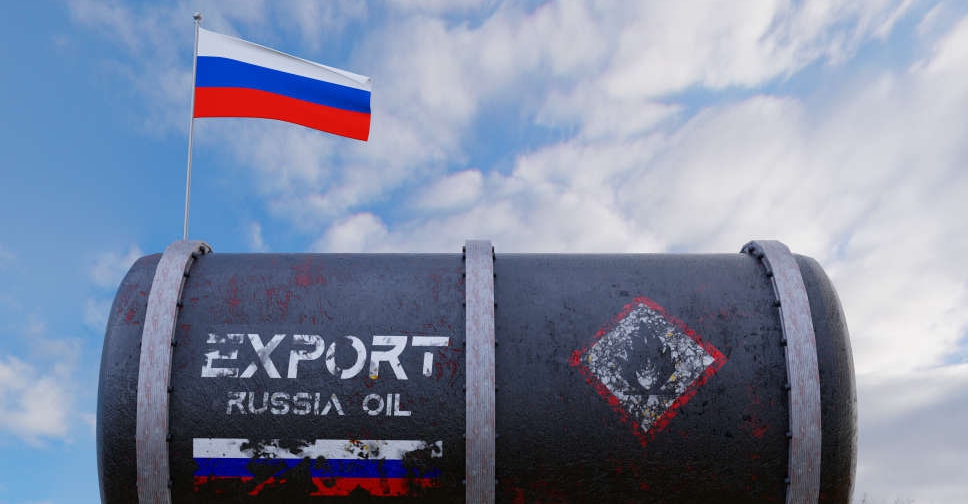


 St. Petersburg region port, oil terminal hit in Ukrainian drone attack
 Thousands protest in Germany as far-right AfD sets sights on power
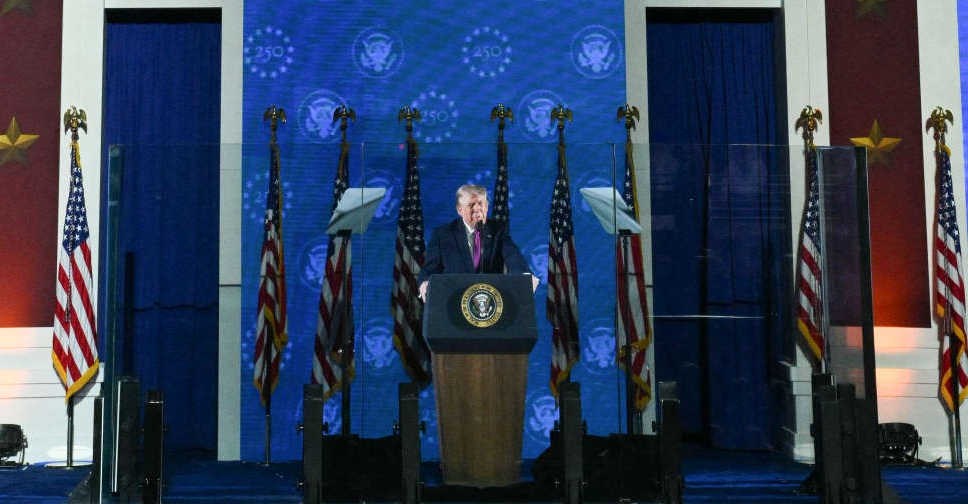 Trump extols America, rails at communism in US 250th celebration
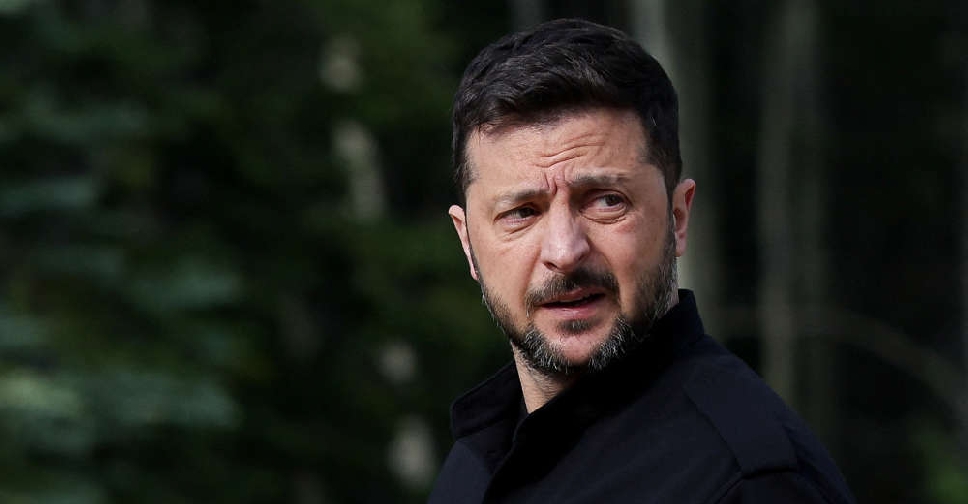 Zelenskyy denies Russian capture of key eastern city Kostiantynivka
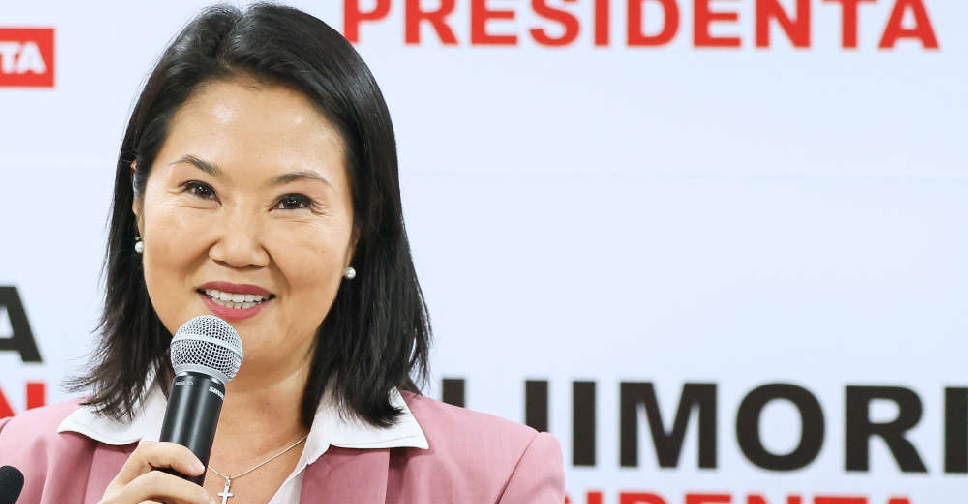 Keiko Fujimori declared winner of Peru presidential race