

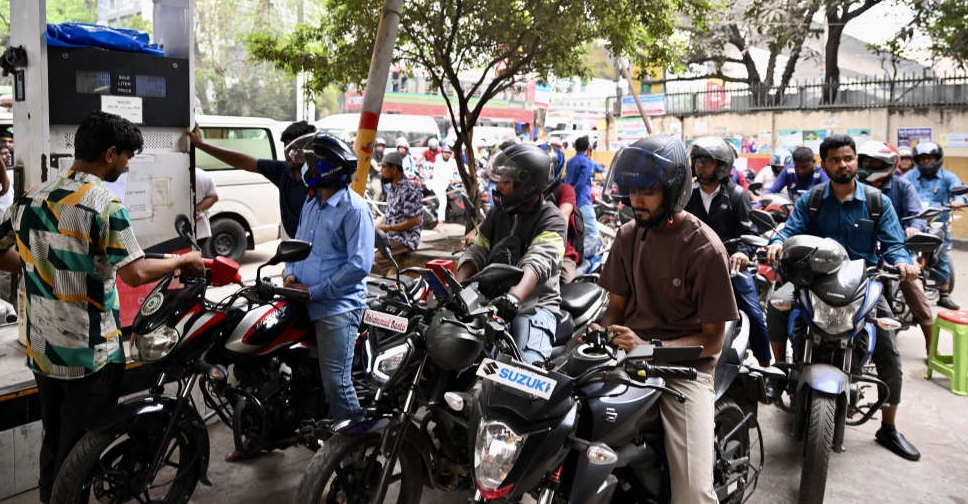
Bangladesh has launched fresh measures to curb energy consumption, cutting office hours and trimming public spending as conflict in the Middle East disrupts global fuel markets and strains power supply in the South Asian nation.
Officials said the steps approved by cabinet on Thursday aim to stabilise the energy situation in Bangladesh, heavily dependent on fuel imports and battered by price volatility and supply uncertainty from the US‑Israeli war with Iran.
Under the new rules, government offices will run from 9 am to 4 pm, while markets and shopping centres must shut by 6 p.m. to reduce electricity use.
The government has also ordered cuts in non-essential public expenditure and urged lower power consumption in industry, with curbs on excessive lighting, for example.
The education ministry will issue guidelines for schools from Sunday, with options such as adjusting timetables and shifting to online classes being considered.
Authorities will also allow duty-free imports of electric buses for schools, with incentives for those that participate.
Bangladesh has rationed fuel to mitigate shortages, besides limiting vehicle sales and shortening fuel station hours amid panic buying, hoarding, and long queues.
Authorities have warned that supplies remain tight, despite some easing during major holidays.
Bangladesh' state-run agencies are scrambling to secure energy supplies for a population of about 175 million, while exploring alternative sources in the face of volatile global markets.
The government is also seeking external financing of more than $2.5 billion to help pay for imports of fuel and liquefied natural gas, as rising energy costs further squeeze foreign exchange reserves.

 Trump threatens to strike Iran's bridges and electric power plants
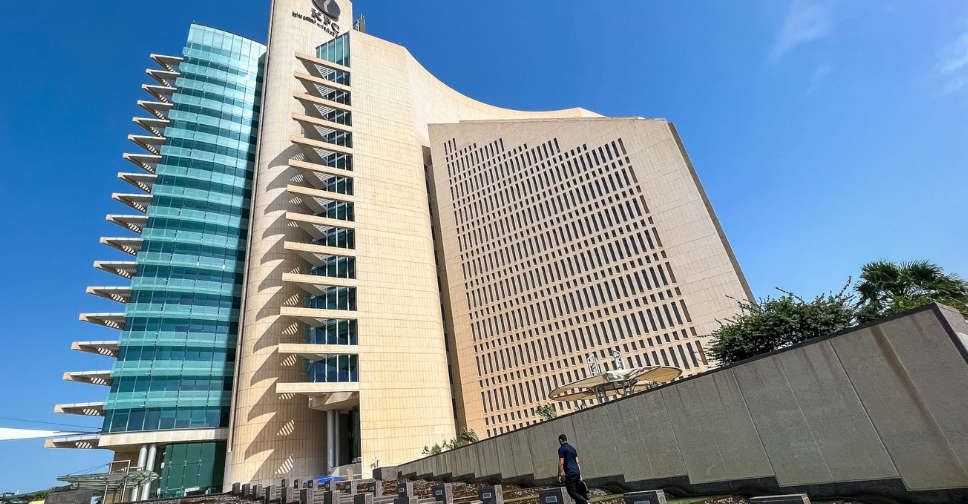 Fire breaks out at Kuwaiti refinery following drone attack
 UN to vote on Hormuz resolution as China opposes authorisation of force
 US Army chief of staff ousted by Hegseth
 Trump fires Pam Bondi as US attorney general