

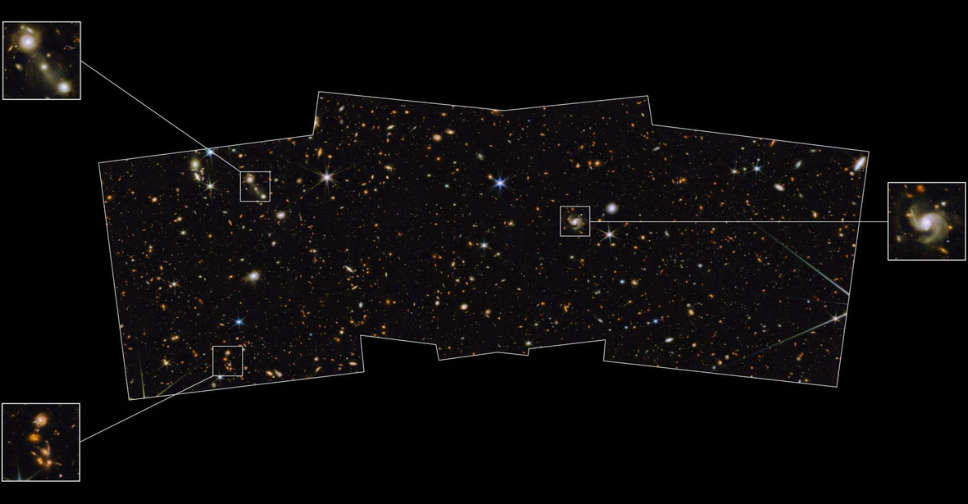
NASA’s James Webb Space Telescope has captured one of the first medium-deep wide-field images of the cosmos.
This beautiful, colour image shows never-seen-before galaxies from the depths of space as well as stars in the Milky Way.
The galaxies captured in the image were previously unseen by Hubble or the largest ground-based telescopes.
The image is from the Prime Extragalactic Areas for Reionization and Lensing Science (PEARLS) GTO programme.
“Medium-deep” refers to the faintest objects that can be seen in this image, which are about 1 billion times fainter than what can be seen with the human eye, while “wide-field” refers to the total area that will be covered by the program, about one-twelfth the area of the full moon.
The James Webb Telescope captured different hues of infrared and ultraviolet light to reveal the details of stars from a part of the sky called the North Ecliptic Pole.
The new image was shared as a part of a study published in the Astronomical Journal.
“The stunning image quality of Webb is truly out of this world,” said study co0author Anton Koekemoer, research astronomer at the Space Telescope Science Institute in Baltimore, who assembled the PEARLS images into mosaics, in a statement. “To catch a glimpse of very rare galaxies at the dawn of cosmic time, we need deep imaging over a large area, which this PEARLS field provides.”
Thousands of galaxies gleam from a range of distances, and some of the light in the image has traveled almost 13.5 billion years to reach us.


 Qatari citizen killed from shrapnel due to 'military operations', one resident injured
 Iran and US step up attacks and threaten to escalate
 33 people rescued, thousands still missing after Venezuela quakes
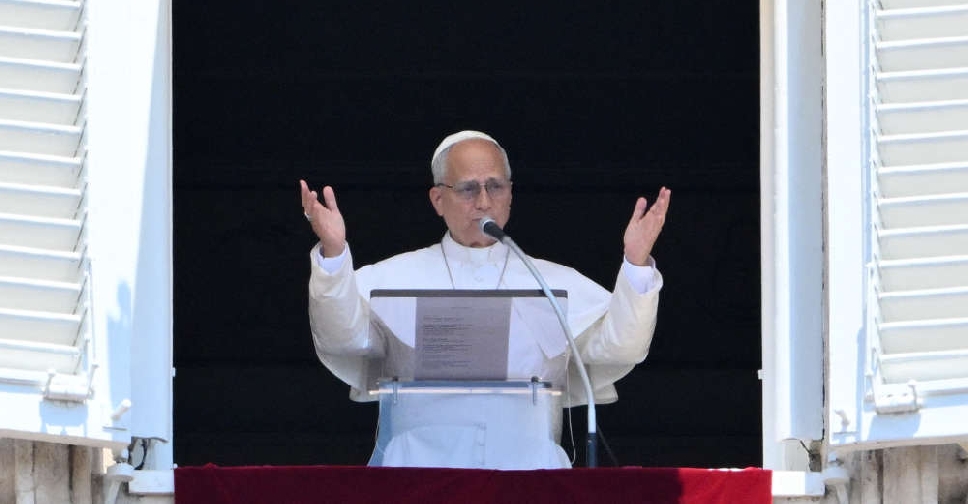 Pope Leo prays for Venezuela quake victims as EU sends emergency aid
 Record heatwave disrupts Europe as France warns death toll set to rise