
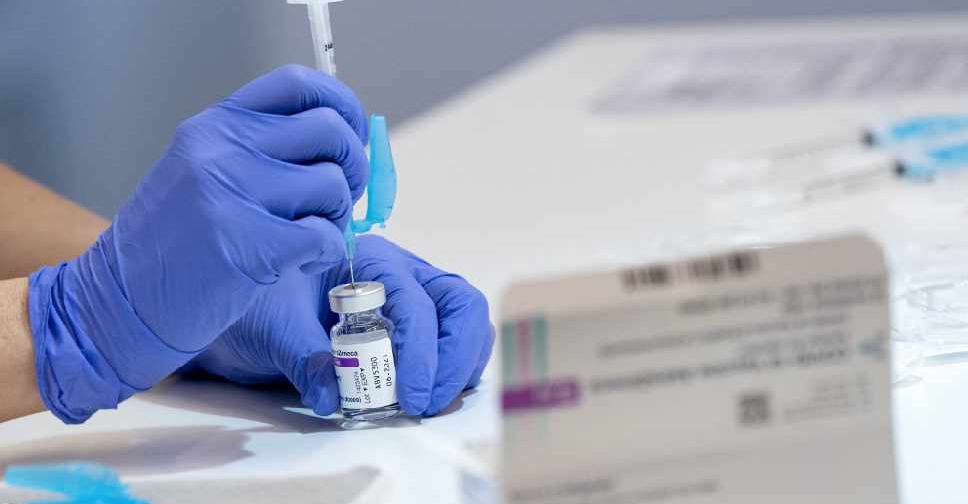
The World Health Organisation's director general said systems meant to protect public health were working, as several countries suspended use of AstraZeneca's vaccine to probe possible side-effects.
"This does not necessarily mean these events are linked to COVID-19 vaccination, but it's routine practice to investigate them, and it shows that the surveillance system works and that effective controls are in place," Tedros Adhanom Ghebreyesus said during a virtual media briefing.
A WHO advisory committee plans to meet on Tuesday to discuss the vaccine, which Germany, France and Italy said on Monday they were pausing after several countries reported serious conditions in people who had received the shot.
Denmark and Norway had stopped giving the shot last week after reporting isolated cases of blood clots, bleeding or a low platelet count. Iceland and Bulgaria followed suit and Ireland and the Netherlands announced suspensions on Sunday.
Even so, the top WHO scientist reiterated on Monday that there had been no documented deaths linked to COVID-19 vaccines.
"We do not want people to panic," WHO chief scientist Soumya Swaminathan told the briefing, adding that no association had so far been found between the "thromboembolic events" reported in some countries and COVID-19 shots.
Even as some countries suspend AstraZeneca's shot, others are continuing its use as the WHO and other bodies say the benefits continue to outweigh any risks.
The United Kingdom, where the AstraZeneca vaccine was developed in partnership with Oxford University, says it has no concerns, while the drugmaker has said a review of safety data has shown no evidence of an increased risk of blood clots.


 UN Chief warns two-state solution slipping away amid West Bank expansion
 Pakistan sends helicopters, drones to end desert standoff; 58 dead
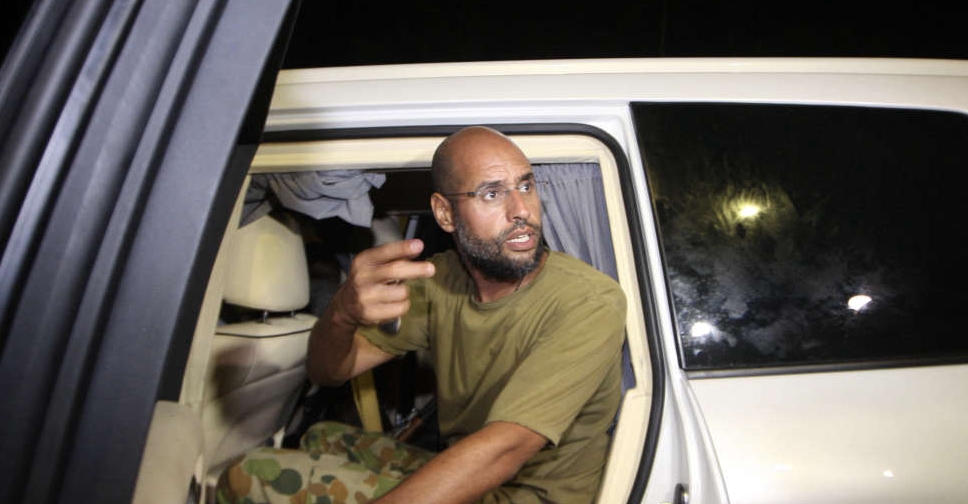 Saif al-Islam Gaddafi, son of late Libyan leader, shot dead
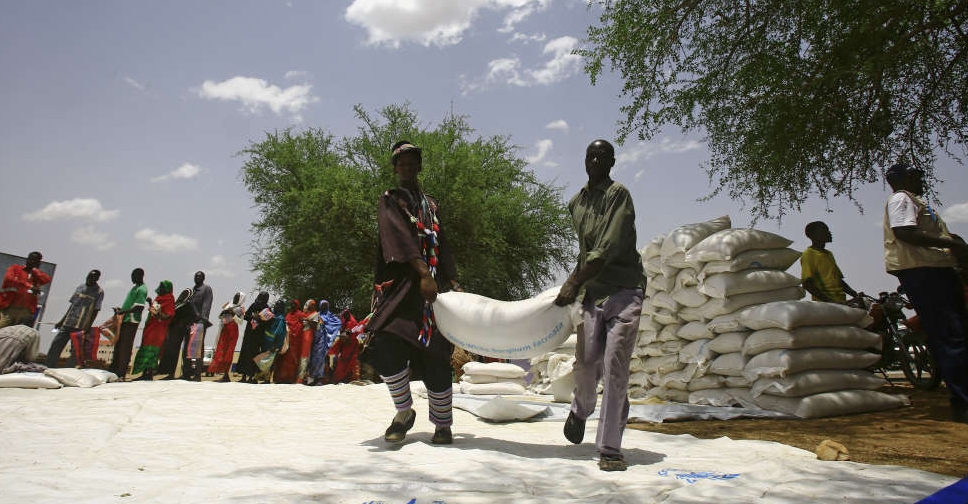 Sudanese army says it's broken siege of famine-stricken Kadugli
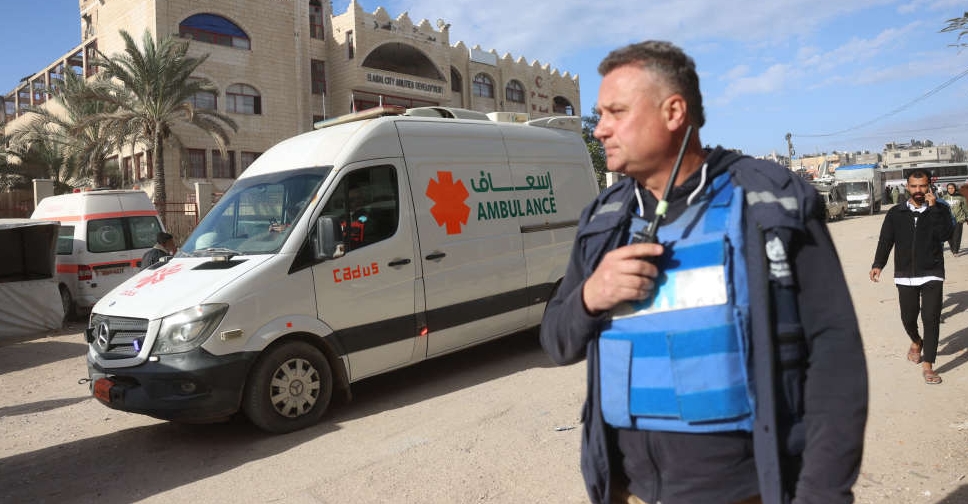 WHO says first five patients evacuated via Gaza's Rafah crossing