

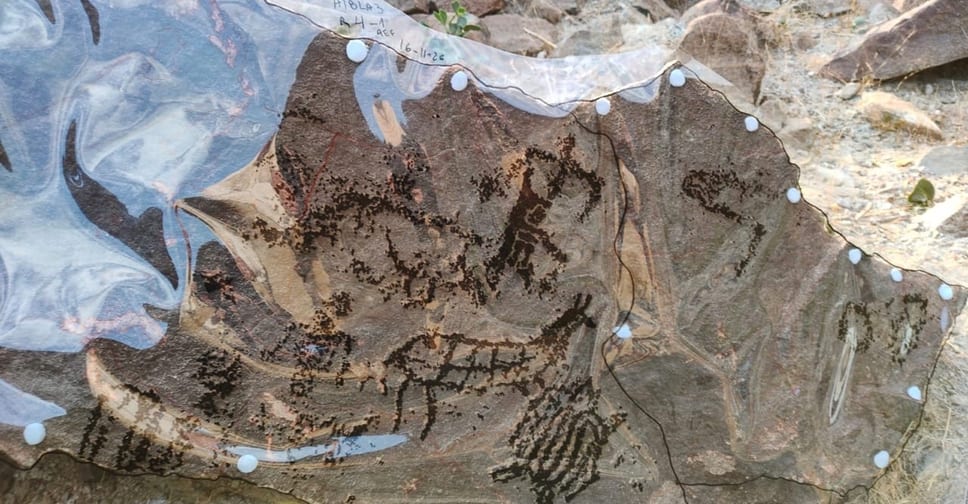
The Sharjah Archaeology Authority has announced the discovery of five rare sea turtle engravings on rocks deep within the mountains of Wadi Al-Helo.
The engravings are thought to be around 7,000 years old and offer fascinating clues about the prehistoric cultural connection between the people who lived in the mountains and the coastal regions
The engravings were found at a newly recorded rock art panel during this year's fieldwork by the Sharjah Archaeology Authority, in an area identified by the local community in 2022.
What makes the discovery particularly interesting is that the turtles were carved in a mountainous area, far from the sea.
Archaeologists are now exploring how the people who made these drawings knew about marine animals and whether they had connections with communities living along the coast.
This strengthens evidence of cultural contact and exchange between the inland and coastal communities in the Emirate of Sharjah and opens up new questions about Wadi Al-Helo's role in the region thousands of years ago, potentially as a part of a much wider network connecting inland settlements with the coast.
Four of the five carvings appear to show leatherback turtles, the world's largest living sea turtle species.
The ancient artists even included lines along the turtles' shells that closely resemble the ridges found on real leatherback turtles, helping archaeologists recognise the species today.
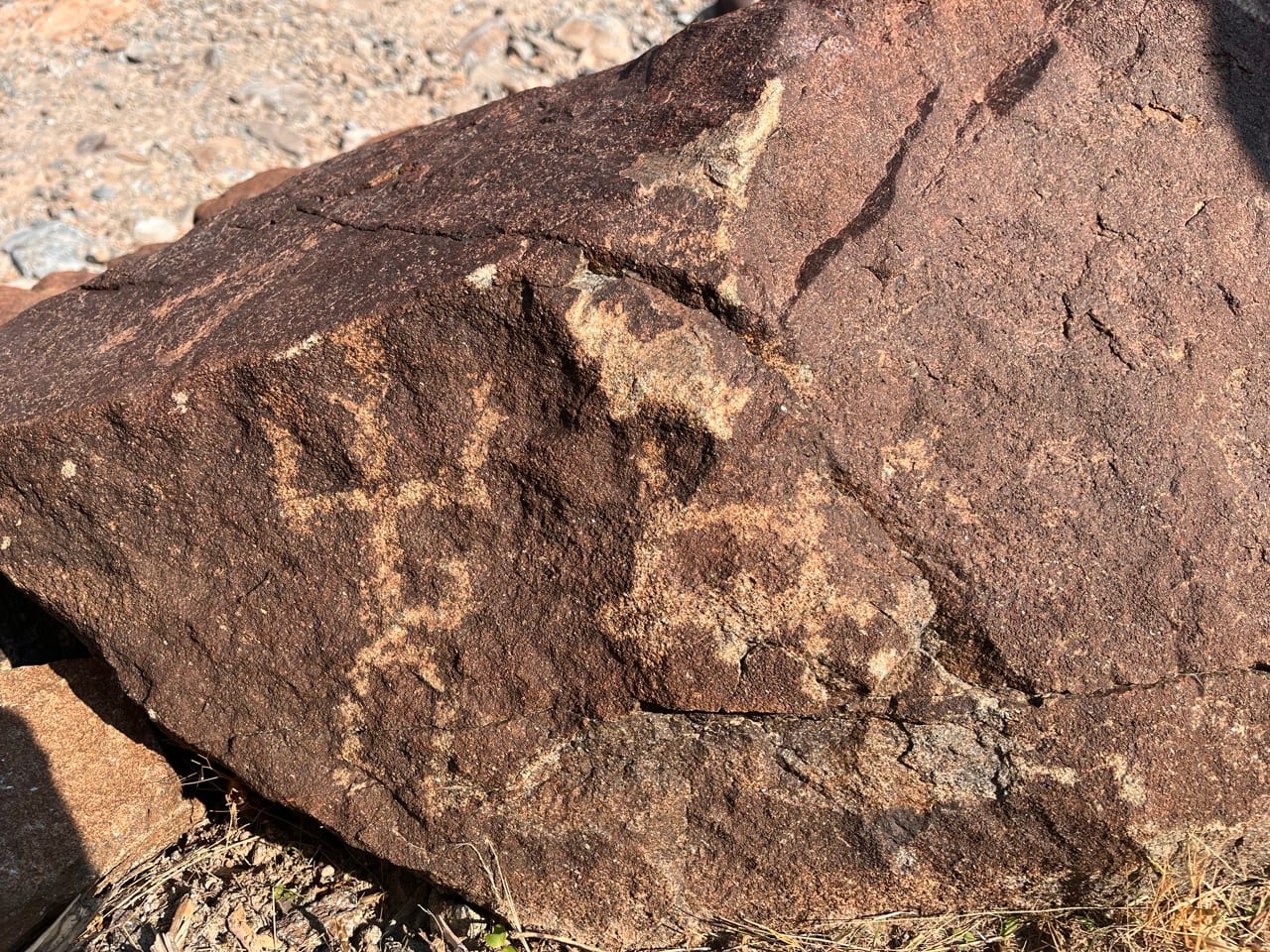
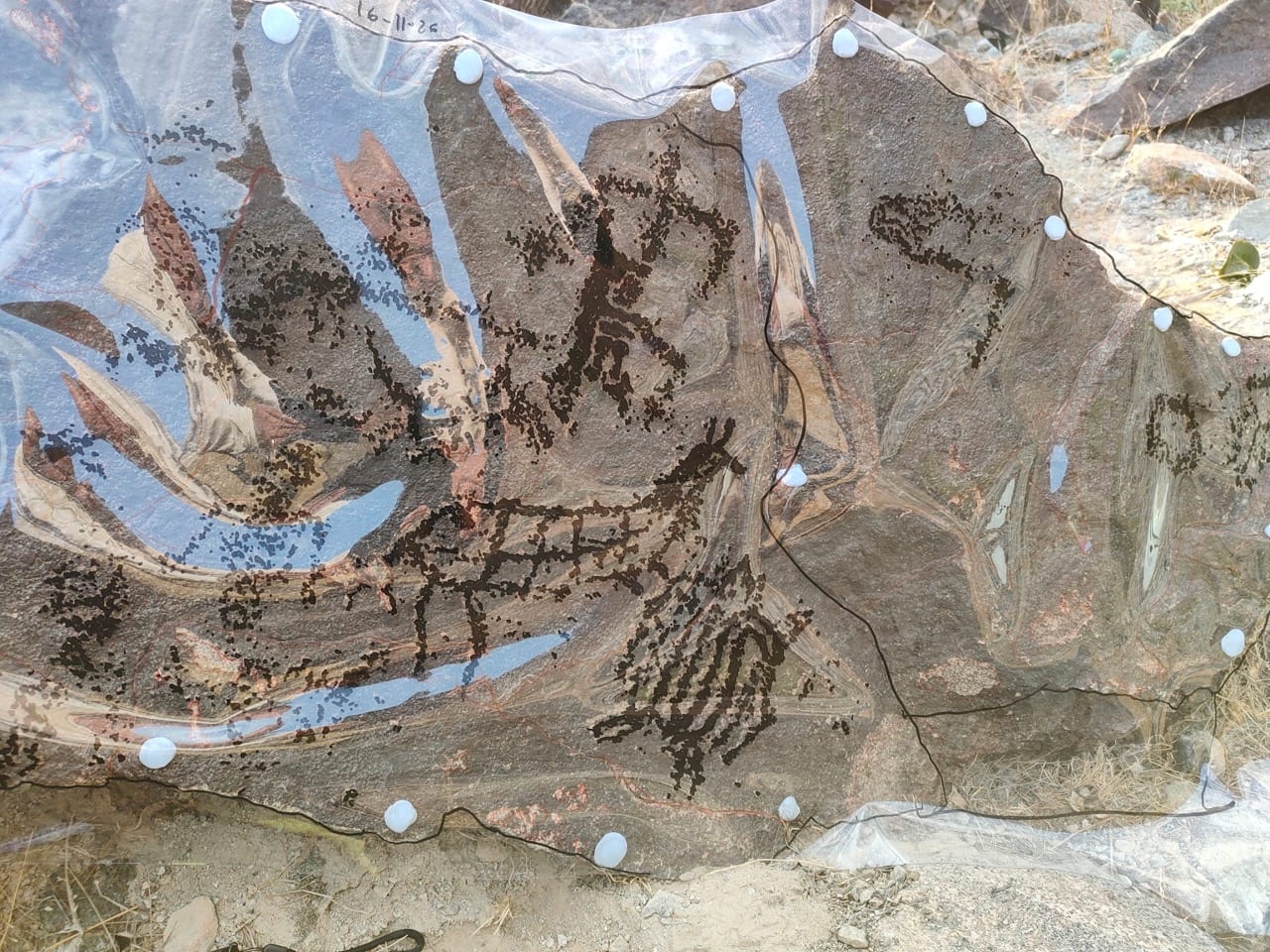
The discovery is extremely rare. Only two other locations with this type of sea turtle rock art have been identified across the entire Oman Peninsula, making Sharjah the third known location.
The presence of marine animals in the mountains suggests that the people who once lived there may have had connections with coastal communities, possibly through travel, the exchange of knowledge or ancient networks linking the mountains to the sea.
The representation of these may also reflect direct knowledge of, and possibly interaction with, marine turtles.
For archaeologists, this opens up new questions about Wadi Al-Helo's role in the region thousands of years ago, potentially as a part of a much wider network connecting inland settlements with the coast.
One possible explanation is that these animals may have been valued for medicinal purposes, or that their symbolic significance played a role.
Researchers believe the carvings may date back to around 5000 BCE, although their exact age has yet to be confirmed.
Whether these turtles were drawn because people encountered them, heard stories about them or considered them important symbols remains unknown.
For now, the discovery offers a remarkable glimpse into Sharjah's prehistoric past, revealing how much there is still to learn about the people who lived here thousands of years ago.

 flydubai set to resume Tel Aviv flights
 H.H. Sheikh Mohammed reviews progress of Hatta development projects
 ADNOC L&S: Missing crew member found dead after Strait of Hormuz attack
 All Abu Dhabi restaurants, eateries to introduce calorie-labelled menus
 Dubai approves AED56.5 billion in contracts for Al Maktoum International Airport