

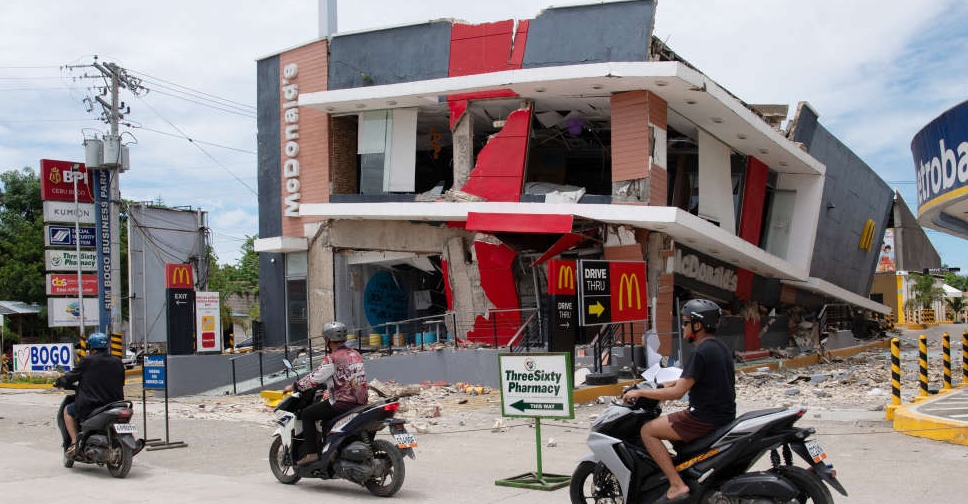
Philippine authorities said on Thursday that search and rescue operations in quake-hit Cebu province have ended, as the current death toll of 72 was not expected to go much higher and missing people had been accounted for.
Attention has now turned to delivering aid to survivors of the 6.9-magnitude quake that has become the country's deadliest in more than a decade.
Striking waters off Cebu's central island late Tuesday, the quake has caused more than 20,000 people to be displaced, while over 300 have been injured.
On Thursday, Philippine President Ferdinand Marcos Jr visited Bogo, a city of some 90,000 that was the worst-affected, seeking to reassure evacuees and noting that relief operations have been complicated due to widespread damage to infrastructure. "We are having some difficulty because we have nowhere to put the displaced families because we're unsure of the integrity of the evacuation centres," he told reporters.
"We will make sure there is food supply, water supply and electricity - a generation set if needed. Whatever the people need, we will make sure we can provide."
Many of the victims were killed when buildings and homes collapsed - either due to the quake itself or landslides that followed after. Heavy rain and the absence of power also hampered rescue efforts.
The Philippines sits on the Pacific "Ring of Fire" - an earthquake-prone belt of volcanoes stretching from South America to the Russian Far East. It experiences more than 800 quakes each year.

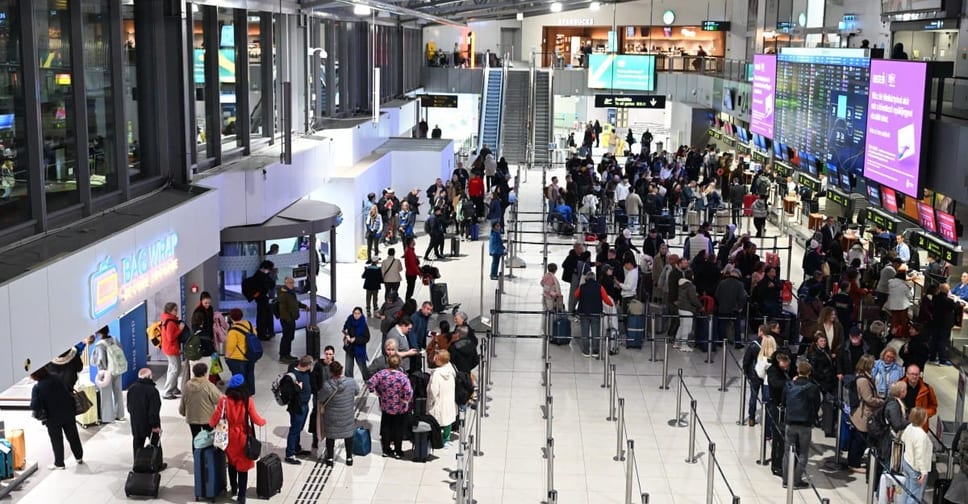 Wave of bomb threats afflict European flights for third time this week
 Jay Rockefeller, heir to famed dynasty and former US Senator, dies at 89
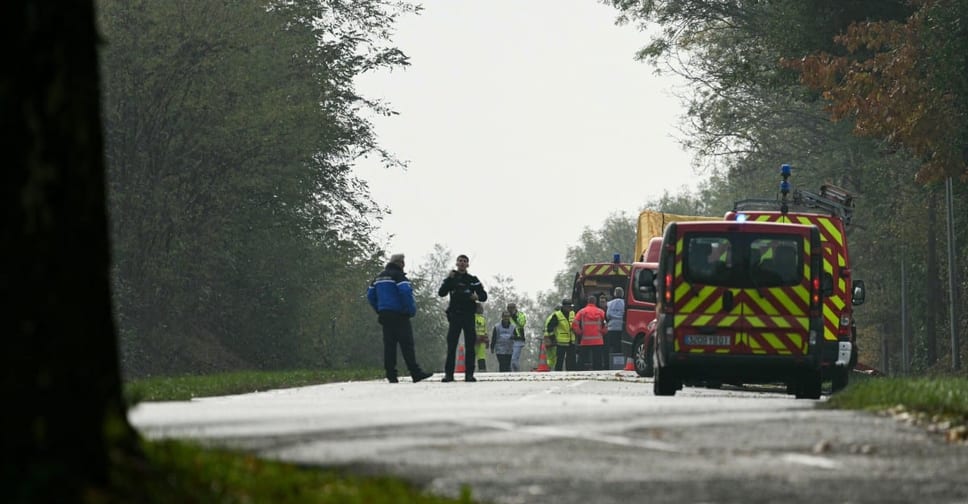 At least two children killed in bus crash in eastern France, authorities say
 Vance repudiates Iran war after US electoral defeat
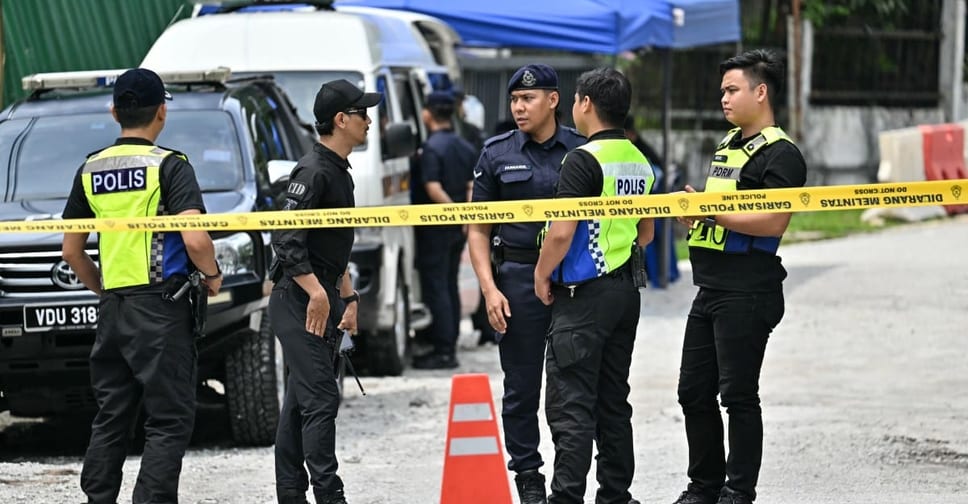 Malaysia ex-PM Najib Razak set for house arrest after party pays fine to leave jail