
Australia expects to receive its first batches of a potential COVID-19 vaccine in January, Prime Minister Scott Morrison said on Monday.
It comes as the number of new daily infections in the country's virus hotspot fell to a 10-week low.
Morrison said his government has struck a deal with CSL Ltd to manufacture two vaccines - one developed by rival AstraZeneca and Oxford University, and another developed in CSL's own labs with the University of Queensland.
"Australia needs some hope," Morrison told reporters in Canberra. "Today, we take another significant step to protect the health of Australians against the coronavirus pandemic."
Health Minister Greg Hunt said scientists leading the development of both vaccines have advised that recent evidence suggests both will offer "multi-year protection".
Morrison said CSL is expected to deliver 3.8 million doses of the AstraZeneca vaccine, which is currently undergoing late-stage clinical trials in Britain, Brazil and South Africa, in January and February next year.
AstraZeneca's candidate, AZD1222, is viewed as a frontrunner in the global race to deliver an effective vaccine to combat the virus.
Australia had announced in August that it planned to buy AZD1222, along with an agreement of intent from CSL to manufacture it. That plan was thrown into some doubt when CSL announced shortly afterwards that it would prioritise the manufacture of its own vaccine.
The CSL vaccine is due to begin second stage clinical trials in late 2020, meaning the earliest it could hit the market would be mid-2021.
Should both vaccines pass clinical trials, Australia will spend A$1.7 billion ($1.24 billion) for a total of nearly 85 million doses, Morrison said.
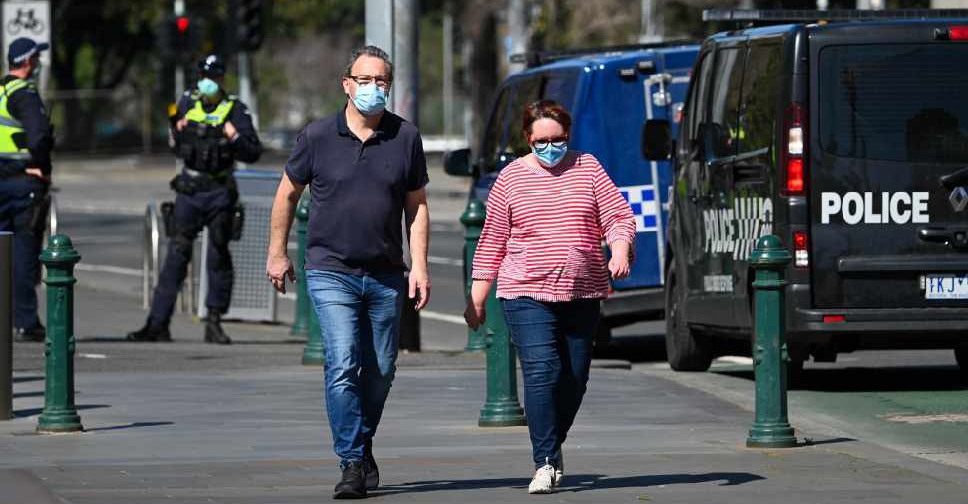
The agreement came as Australia's Victoria state said 41 cases of COVID-19 have been detected in the past 24 hours, the lowest single-day rise since June 26.
Australia's second most populous state has been the epicentre of a second wave, and now accounts for about 75 per cent of the country's 26,320 cases and 90 per cent of its 762 deaths.
The southeastern state on Sunday extended a hard lockdown in its capital Melbourne until Sept. 28 as the daily infection rates had declined more slowly than hoped.


 India seeks passage of more vessels after some pass through Strait of Hormuz
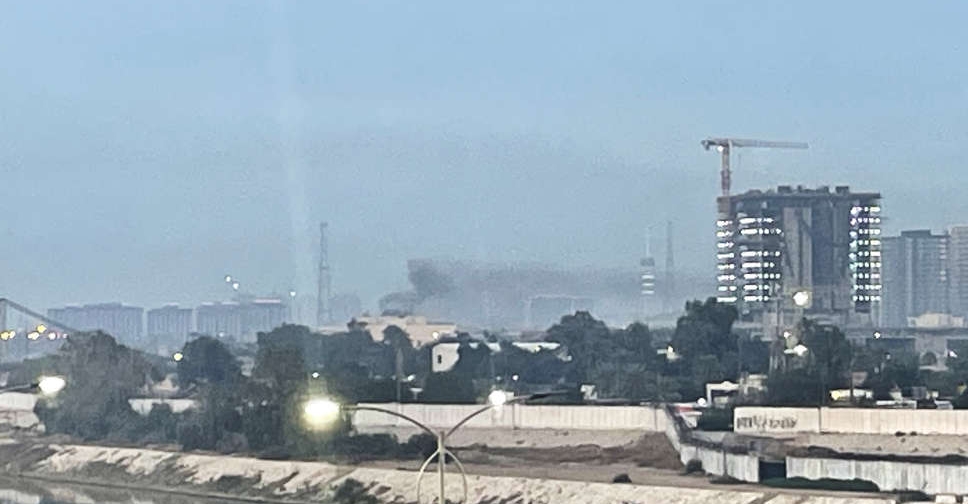 US embassy in Baghdad hit in missile attack, security sources say
 Israel threatens to strike ambulances in Lebanon in Hezbollah fighting
 Death toll from Kenyan floods rises to 62, police say
 Trump threatens to strike Iran's Kharg Island oil network