
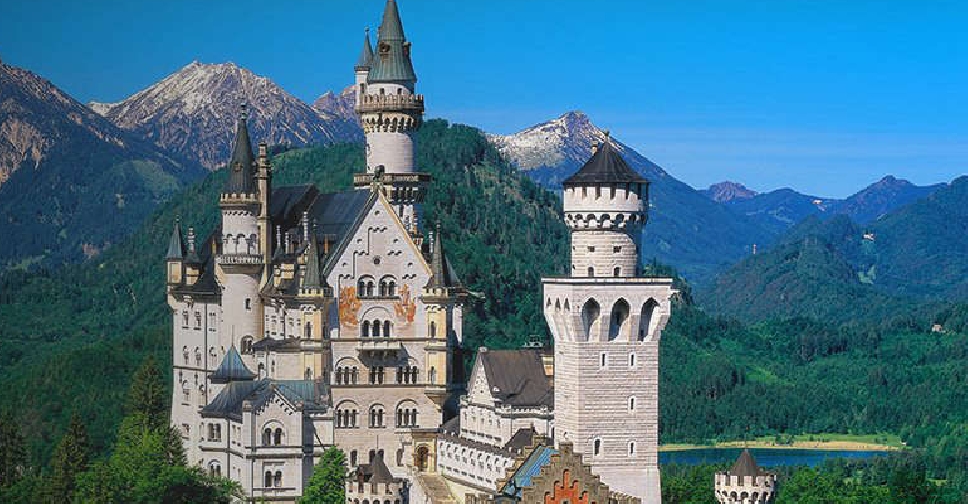
Bavaria's fairy-tale royal castles, including Neuschwanstein, Herrenchiemsee and Linderhof, have been added to the UNESCO World Heritage list, officials said on Saturday.
The decision, made by the UNESCO World Heritage Committee during its 47th session in Paris, is recognising the architectural and cultural significance of King Ludwig II's 19th-century palaces.
Construction began at Neuschwanstein in 1869, but the project was never completed, and building work halted when the Bavarian king died in 1886.
The castle is now one of the most popular tourist sites in Germany, receiving roughly 1.4 million visitors per year. It inspired the Disney castle logo after Walt Disney visited in the 1950s.
Bavarian state premier Markus Soeder described the designation as a "worldwide accolade," calling Neuschwanstein "Bavaria's landmark par excellence."
"For our fairy-tale castles, a fairy tale comes true," he said in a statement.
Neuschwanstein combined great art and culture and also a bit of "kitsch and cliché," he said.
"When seeing the castle, some people worldwide may think of Disney - but no: Neuschwanstein is and remains the original from Bavaria."

 Global Village opens Season 31 with drone show, choir performance
 Ex-gang leader sentenced to 40 years to life in prison for Tupac murder
 Turkish police raid opposition TV channel Halk TV
 'Breaking Bad' actor, disability rights activist RJ Mitte dead at 34
 Actor Selma Blair arrested and accused of abusing flight attendants