
Lebanon and Hezbollah have agreed to a US proposal for a ceasefire with Israel, with some reservations, marking the most serious attempt yet to end the ongoing conflict.
It's reported that Israel are yet to comment on the proposed ceasefire.
Ali Hassan Khalil, an aide to Lebanese Parliament Speaker Nabih Berri, confirmed that Lebanon had formally delivered its written response to US Ambassador in Lebanon, Dorothy Shea. White House envoy Amos Hochstein is now expected to travel to Beirut to continue discussions on the matter.
Khalil described the response as positive, though he declined to provide specific details on Lebanon’s comments. He confirmed that Lebanon’s feedback focused on ensuring full adherence to UN Security Council Resolution 1701, which ended the 2006 war between Hezbollah and Israel.
The resolution calls for the disarmament of Hezbollah fighters in the border region and demands the withdrawal of all armed groups from southern Lebanon.
Khalil emphasised that Lebanon's comments were in a "positive atmosphere," signaling that Lebanon’s position aligns with the spirit of Resolution 1701, which Hezbollah has endorsed through its long-time ally, Speaker Berri. However, he also warned that the success of the ceasefire initiative now hinges on Israel’s response. "If Israel does not want a solution, it could make 100 problems," Khalil said.
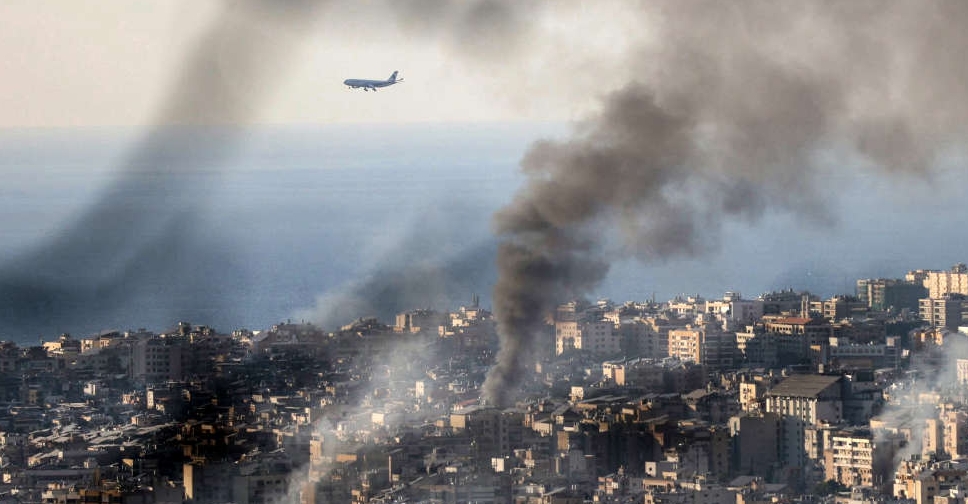
Tensions have remained high, with Israel continuing to bombard Hezbollah-controlled areas, including southern Beirut and its suburbs, further complicating the potential for dialogue. Israel has long claimed that Hezbollah's presence in the area contravenes Resolution 1701, alleging the movement continues to station fighters and stockpile weapons along the Lebanese-Israeli border. Conversely, Lebanon has accused Israel of violating the resolution through airspace incursions and other military actions.
Khalil also stated that Israel’s "negotiation under fire" approach, referring to Israel’s escalating military strikes against Hezbollah positions, would not alter Lebanon's stance on the ceasefire. He reaffirmed that Lebanon remained committed to securing a peaceful resolution, provided it adhered to the terms of the UN resolution.
The US ceasefire proposal has been seen as an important step towards de-escalating the conflict, but the ultimate outcome will depend on Israel’s willingness to engage in talks and implement the terms of the ceasefire.
As the situation continues to evolve, the eyes of the international community remain focused on whether this effort will lead to lasting peace or whether further tensions will fuel the conflict.

 Spain dismantles one of Mediterranean's largest human smuggling networks
 Thai teen kills 7 in rampage at home and school before shooting himself
 Syria says bomb on minibus near Damascus wounded 14, deaths reported mistakenly
 Spain hopes to transfer migrant minors to mainland within weeks
 Morocco to cooperate on return of minors from Spain after Ceuta crossing