

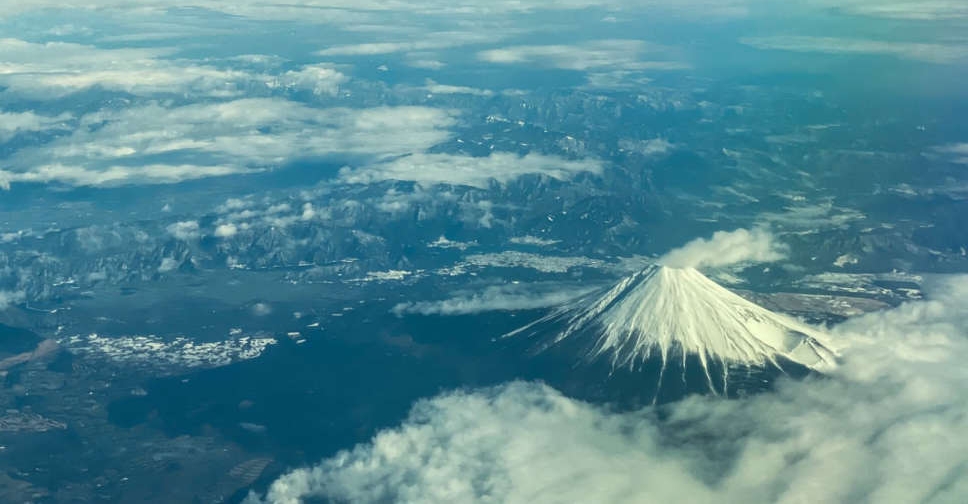
The Japan Meteorological Agency has decided to launch more robust “wide-area” ashfall forecasts to prepare for the ash that would hit the Tokyo metropolitan area after a major eruption of Mt. Fuji.
Japan News reported that the system will be designed to predict ashfall over a wider area and over many hours.
An eruption of Mt. Fuji could bring more than 30 centimetres of ashfall into surrounding areas, resulting in serious damage, such as collapsed homes and paralysed transport networks.
The agency aims for the system to facilitate prompt responses to a disaster. It plans to start developing the system from next fiscal year and launch it as early as within a few years.
During the past 5,600 years, on average, Mt. Fuji is believed to have erupted every 30 years. However, since the Hoei eruption, it has not erupted for over three centuries.
After the Hoei eruption started on December 16, 1707, ash from Mt. Fuji fell intermittently for 16 days and reached central Tokyo, blown by winds at higher altitudes. Mt. Fuji is estimated to have shot out around 1.7 billion cubic meters of ash and other substances.
The agency plans to set up a new post focused on planning and coordinating information on volcanic ashfall in the next fiscal year and accelerate efforts to introduce wide-area ashfall forecasts.
A government panel of experts is also discussing measures to take in case of a Mt. Fuji eruption and plans to compile guidelines by the end of this year.

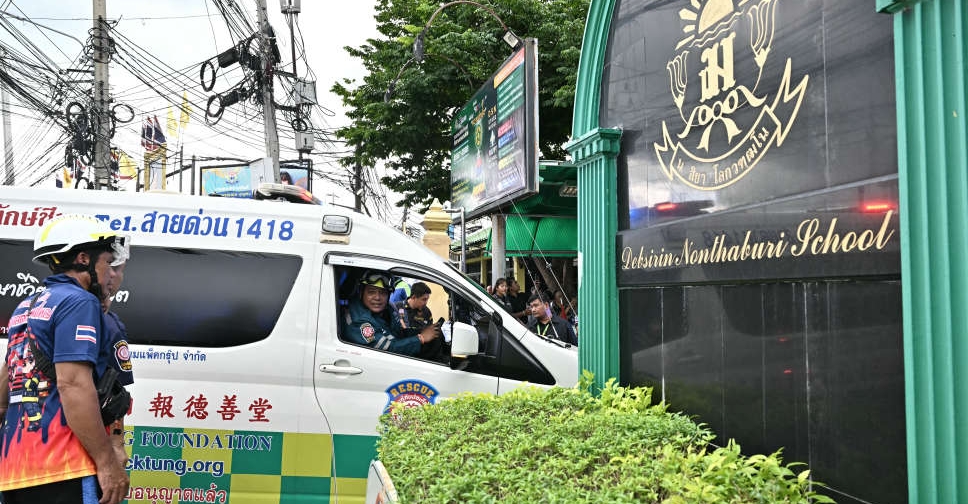 Thai teen kills 7 in rampage at home and school before shooting himself
 Syria says bomb on minibus near Damascus wounded 14, deaths reported mistakenly
 Morocco to cooperate on return of minors from Spain after Ceuta crossing
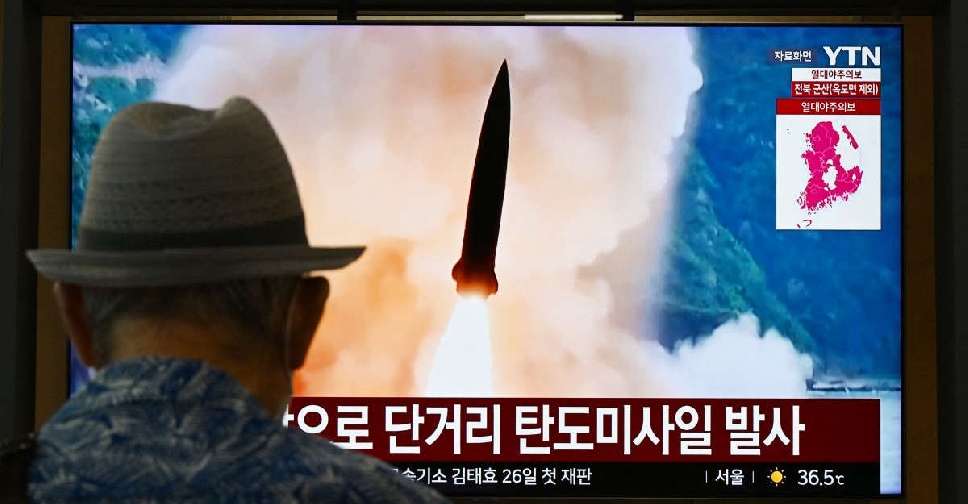 North Korea fires short-range ballistic missile, South Korea says
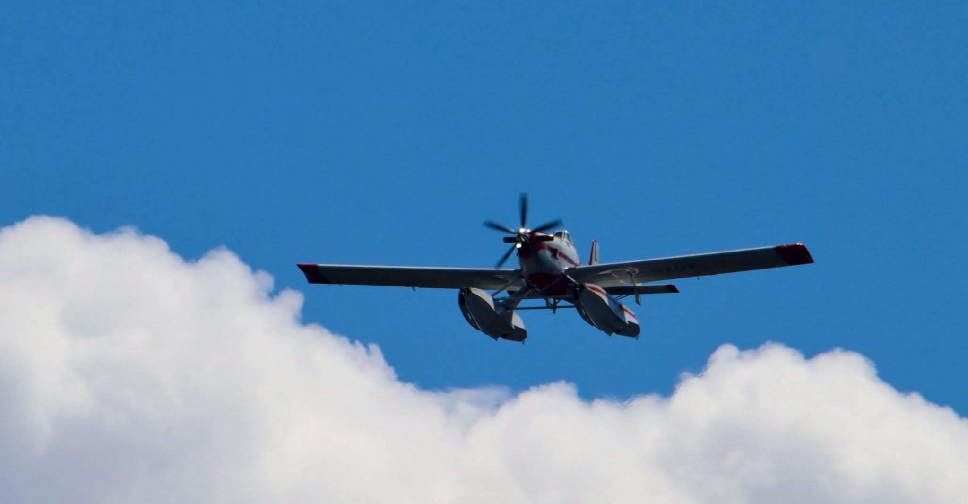 Wildfire prompts evacuation alert in metro Vancouver