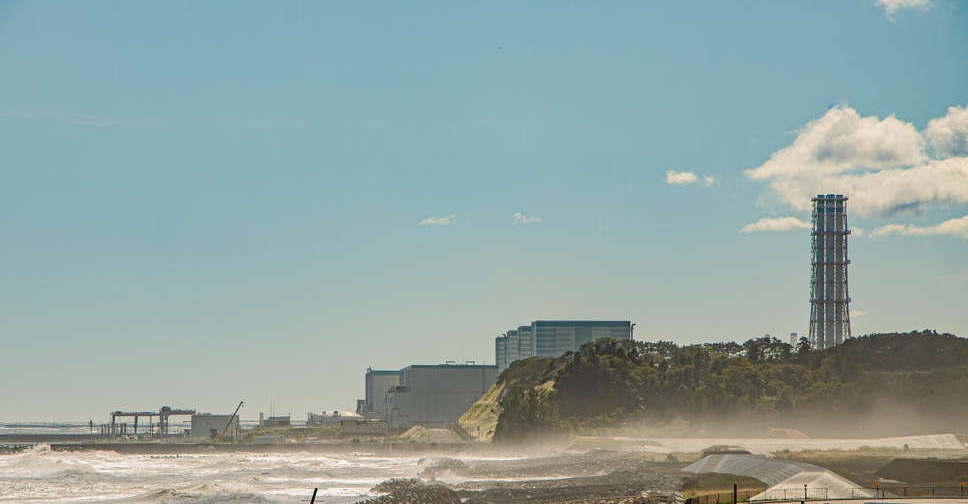
Japan's fisheries agency said on Saturday fish tested in waters around the wrecked Fukushima nuclear plant did not contain detectable levels of the radioactive isotope tritium, Kyodo news service reported.
Nets were set up on Thursday when plant operator Tokyo Electric Power Company (Tepco) 9501.T began releasing treated radioactive water into the Pacific, angering fishermen and many others in Japan, alarming consumers in neighbouring countries and prompting China to ban Japanese aquatic products.
The agency plans to announce test results daily. Tepco said on Friday seawater near the plant contained less than 10 becquerels of tritium per litre, below its self-imposed limit of 700 becquerels and far below the World Health Organization's limit of 10,000 becquerels for drinking water.
Calls to the fisheries agency for comment were not answered on Saturday.
After a lengthy debate, the government of Prime Minister Fumio Kishida decided on Tuesday to allow the release of 1.3 million tons of treated water from the Fukushima plant, destroyed by a 2011 tsunami because Tepco was running out of storage space.
The utility filters most radioactive elements out of the water but dilutes tritium, an isotope of hydrogen, which is difficult to separate from water.
MS NOW, CNN and Politico said on Monday they were suing the Trump Administration to protect their First Amendment rights after President Donald Trump's announcement that he would ban the news outlets from the White House's building grounds.
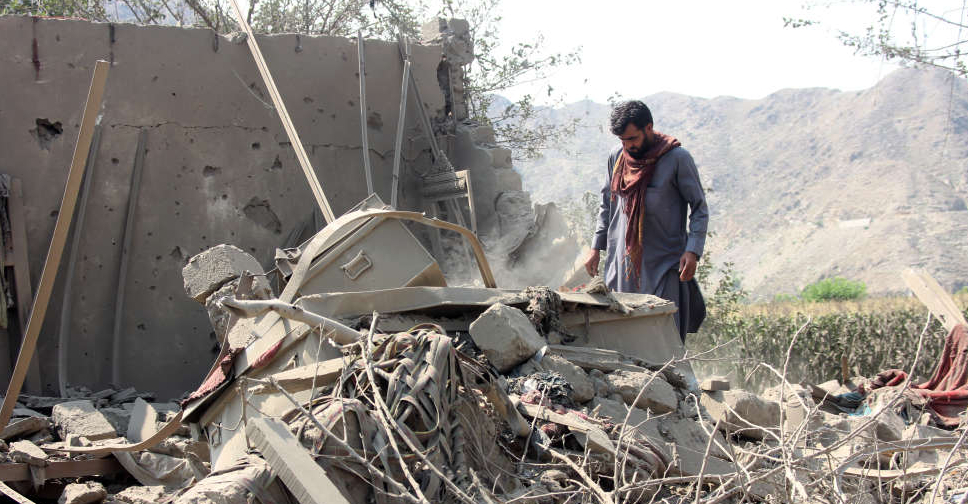
Pakistani airstrikes killed at least three people in Afghanistan on Monday, Afghan officials said, in action that could reignite tensions between the neighbours after nearly three months of relative calm.
Flights at several British airports were delayed on Monday due to an air traffic control failure, Britain's NATS air traffic control provider said, less than two weeks after a separate issue halted flights across the country.
A fire that broke out at a textile factory in the Chinese city of Foshan in southern Guangdong province on Sunday killed eight people and injured one, state media said on Monday.
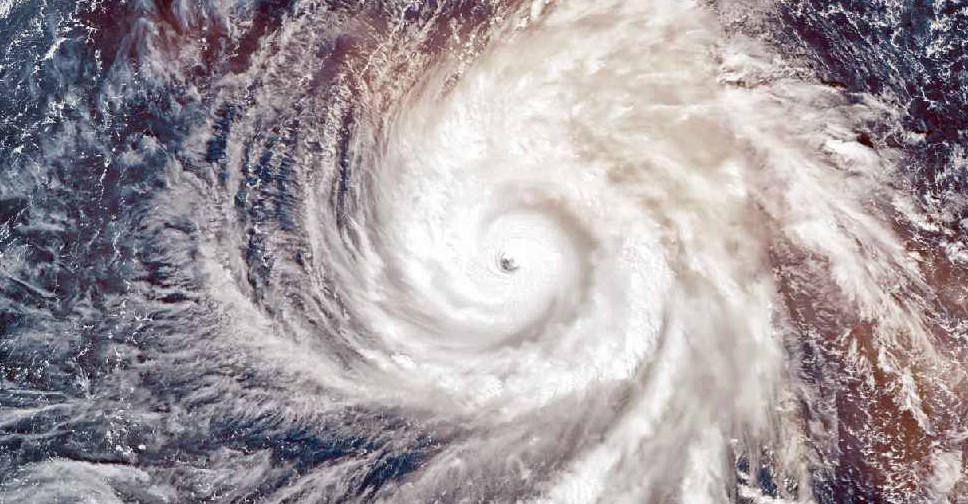
A powerful typhoon was approaching Japan's Pacific coast on Monday, bringing torrential rain, violent winds, and a heightened risk of landslides across the Kanto region and other parts of eastern Japan, the weather agency said.
Enjoy your favourite music back to back commercial free, tune in to the Music Mix everyday from 1 until 2 for the music you love and the news updates you need
Apple Inc. shares fell Monday after a closely followed analyst warned that demand for the firm’s new iPhone 16 Pro model has been lower than expected. Is this a sign that the AI software just isn’t ready?
Dubai’s current population is more than double compared to almost twenty years ago, which now stands at 3.7 million. Lots of families are also moving to the UAE now. So what does it mean for the property market?




 MS NOW, CNN and Politico to sue over White House ban
 Afghanistan says Pakistani airstrikes kill at least three
 New air traffic control failure delays flights at UK airports
 Textile factory fire in southern Chinese city of Foshan kills 8
 Typhoon approaches eastern Japan, prompts flood and landslide warnings